
DIY Limewash Paint: How to Make Limewash at Home
Limewash walls are everywhere right now—soft, cloudy, and perfectly imperfect in that modern/designer way. The only annoying part? Buying real limewash paint can be expensive or hard to find, depending on where you live. So we did what we always do: we made our own.
In this guide (based on our video “How to Make Your Own DIY Limewash!”), you’ll learn the simple DIY limewash recipe, what each ingredient does, and the best way to apply limewash so you get that signature textured look—without panicking halfway through the first coat.
Quick Steps (For the “Just Tell Me How” Crowd)
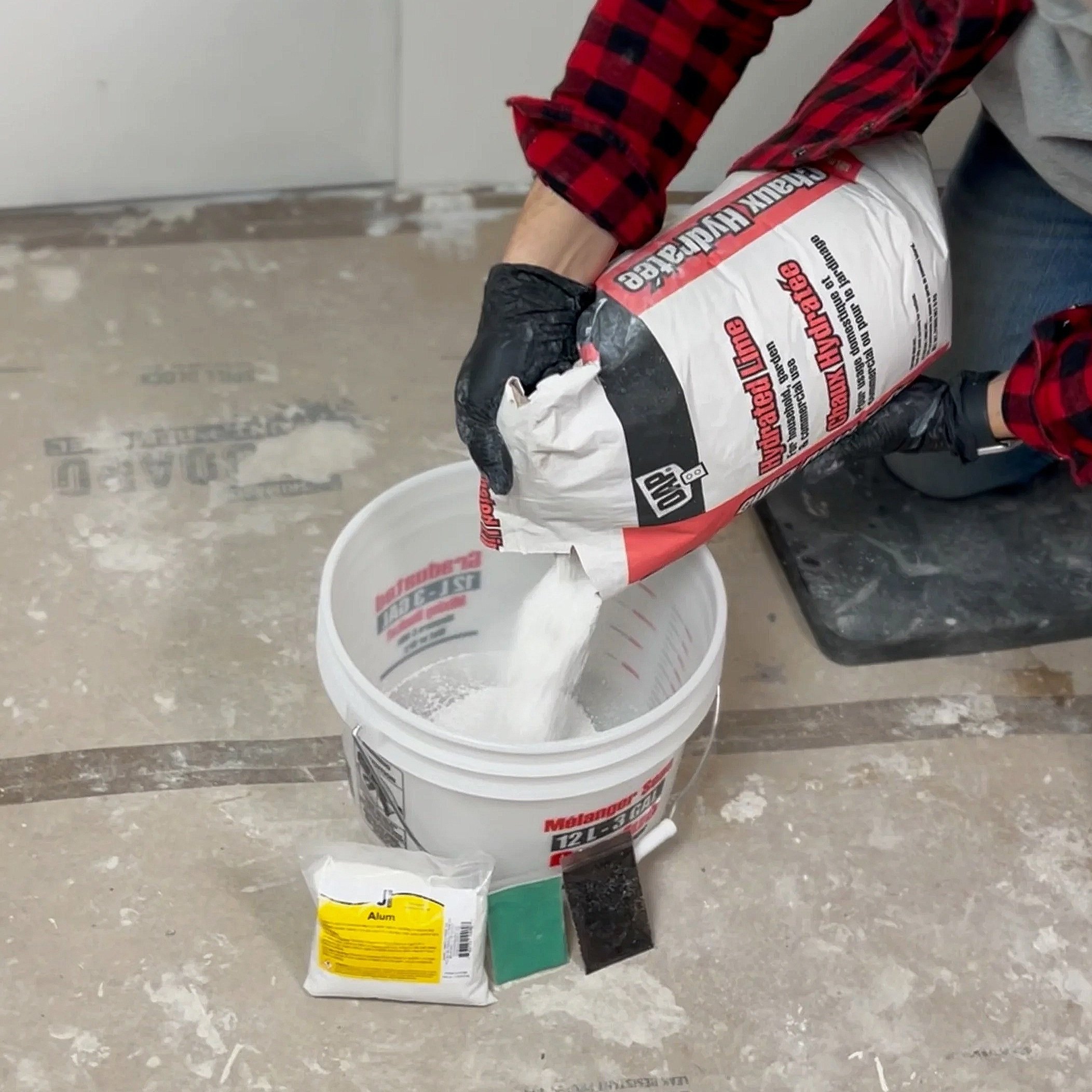
Mix 1 part water to 4 parts hydrated lime powder until it looks milky.
Add alum salts and mix until fully dissolved.
Add pigment (roughly 1:1 with alum salts) and mix well.
Apply limewash using small X/crosshatch strokes (not long paint strokes).
Don’t panic: it goes on dark and dries much lighter.
Apply a second coat if needed for coverage and a more even finish.
What Is Limewash Paint (and Why It’s Trending Again)
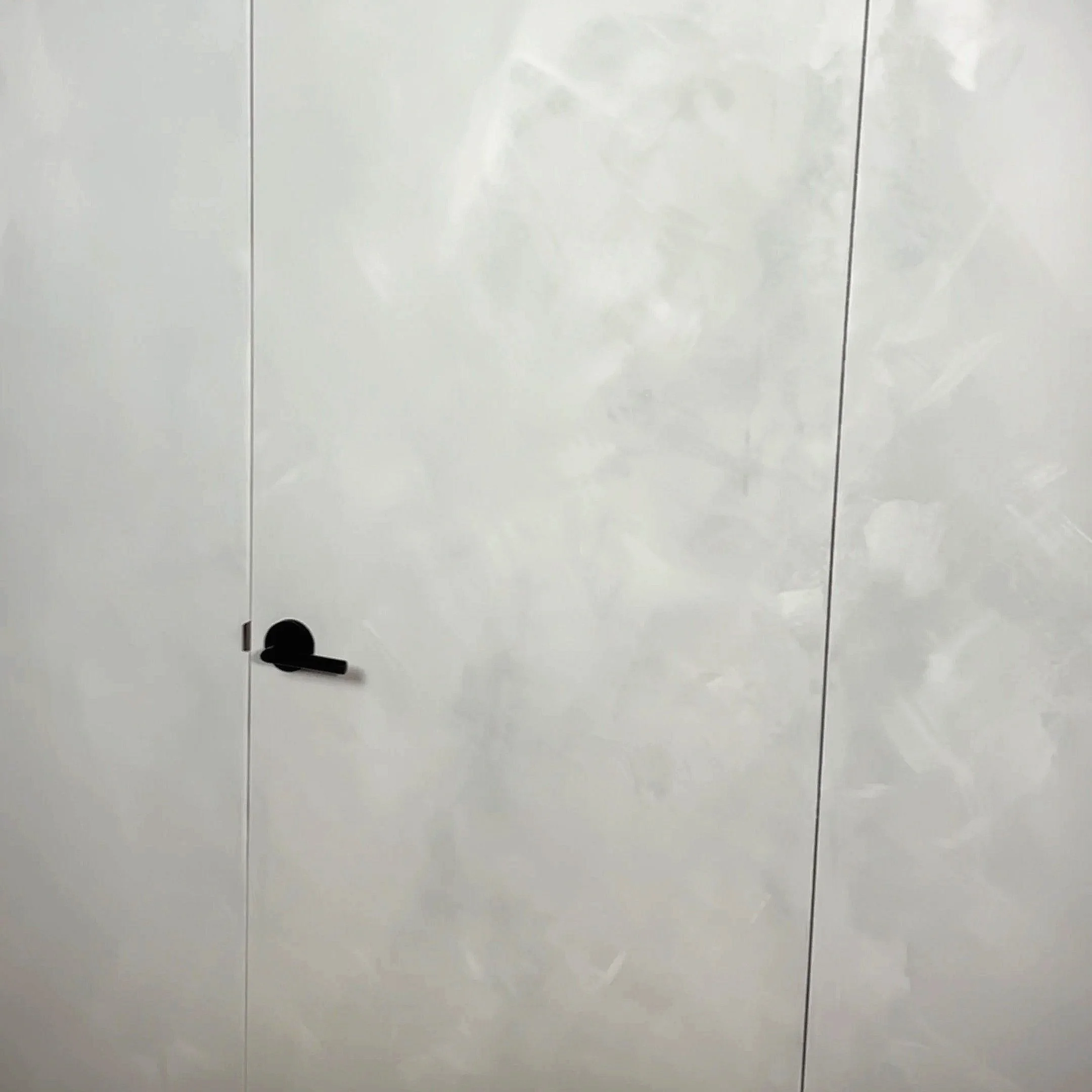
Limewash is an old-school wall finish made from lime and water that creates a matte, mineral-looking surface with natural variation—lighter and darker areas that shift depending on how you apply it. That movement is the whole point.
And unlike standard paint, limewash has a different feel:
slightly watery but thick
a bit grainy
more like a “wash” than a coating
That’s why application technique matters so much.
DIY Limewash Ingredients (Only 3)
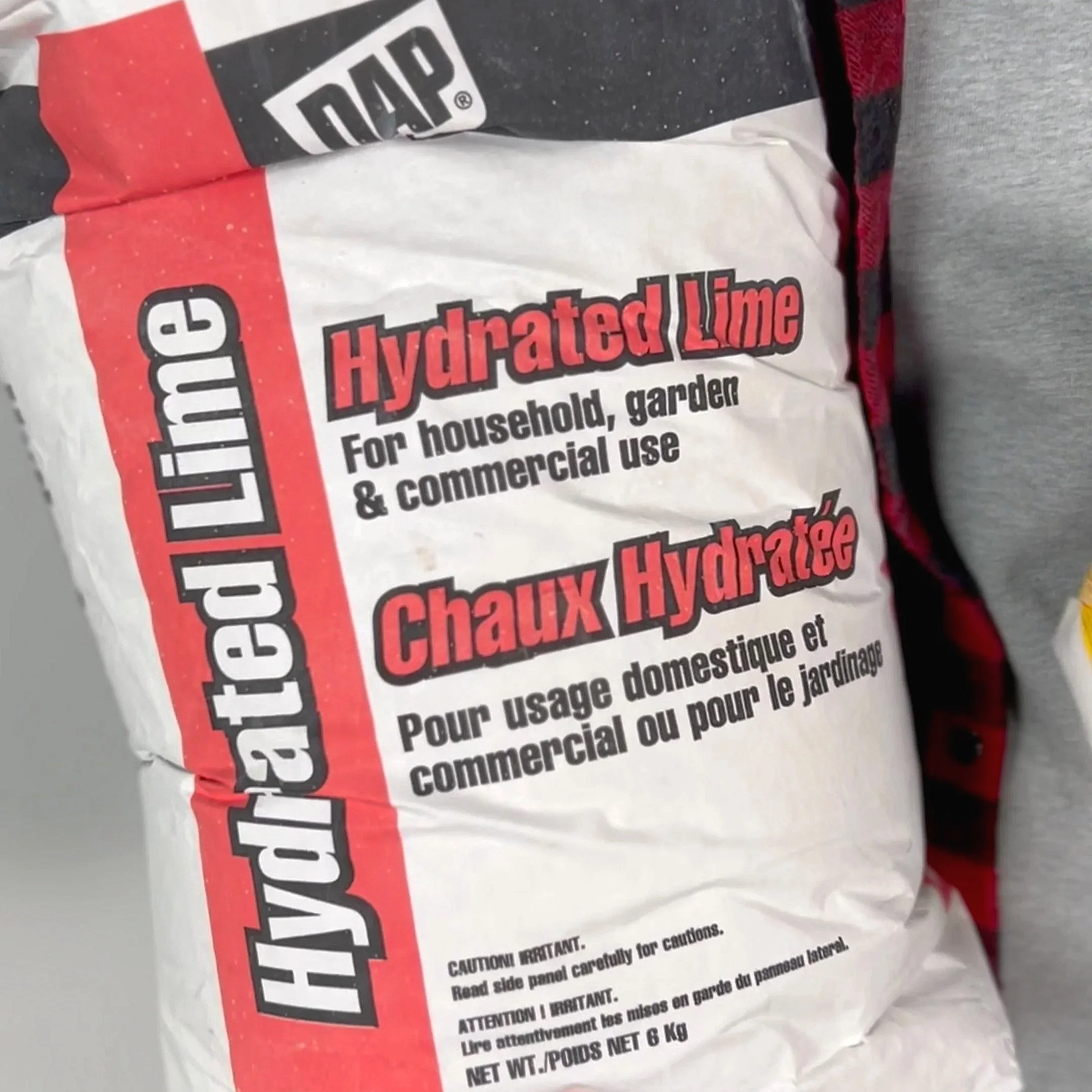
To make your own limewash paint, you only need:
Hydrated lime powder (we used DAP Hydrated Lime Powder in the video)
Pigment (for color)
Alum salts (a binder that helps the pigment bond to the limewash)
That’s it—no complicated chemistry required (we’re keeping it “Refresh style”).
DIY Limewash Recipe Ratio (The Refresh Method)
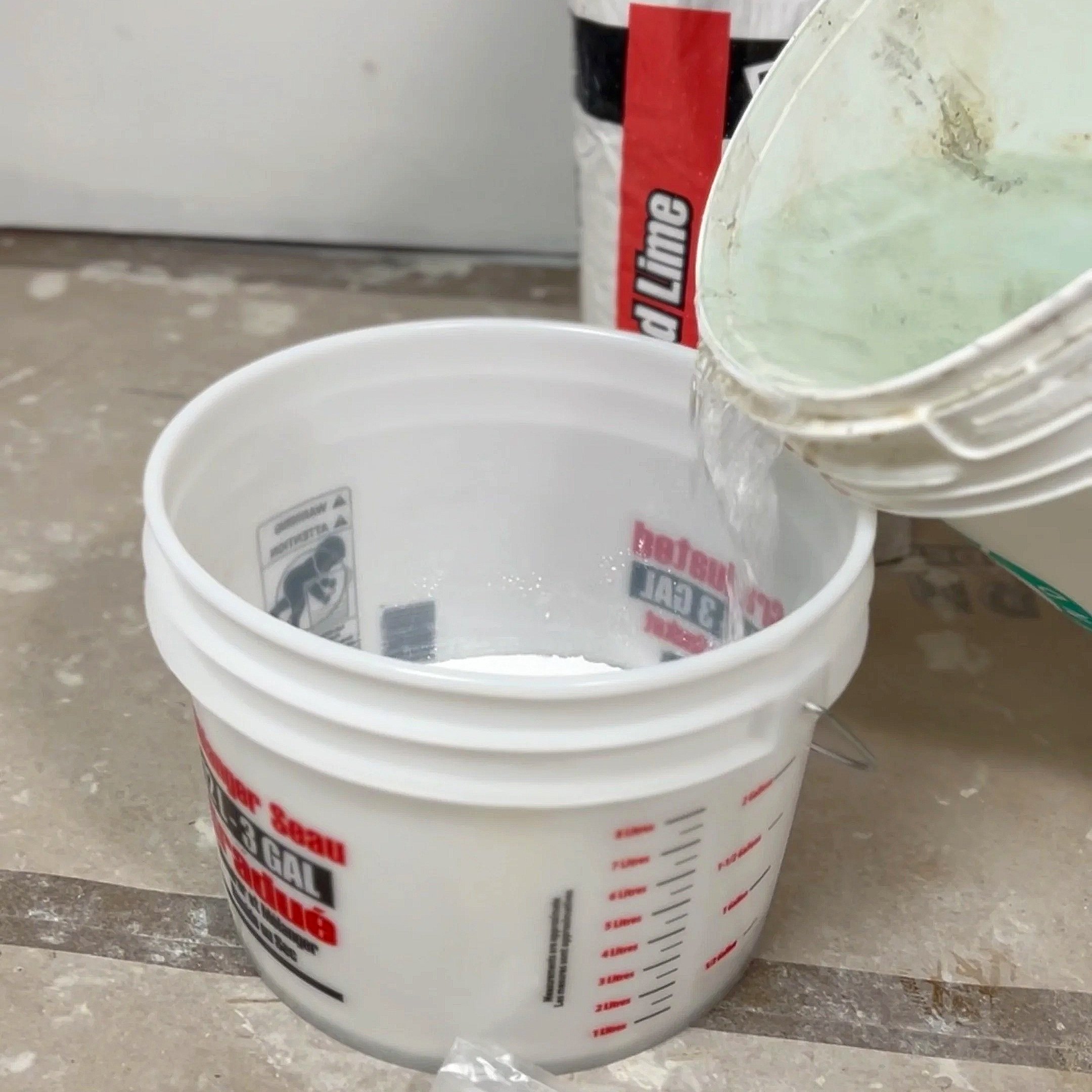
Here’s the exact ratio shared in the video:
1 part water : 4 parts hydrated lime powder
Mix until you get a milky consistency—anywhere from skim milk to whole milk vibes. That “milkiness” is your visual cue that it’s ready to use.
Then:
add alum salts and mix until fully dissolved
add pigment and mix thoroughly
Alum salts + pigment (quick ratio)
In the video, we describe it as roughly a 1:1 ratio of alum salts to pigment, but also emphasize this is a DIY-friendly process where you may adjust based on your color and consistency goals.
How to Mix Limewash (Without Making a Mess)
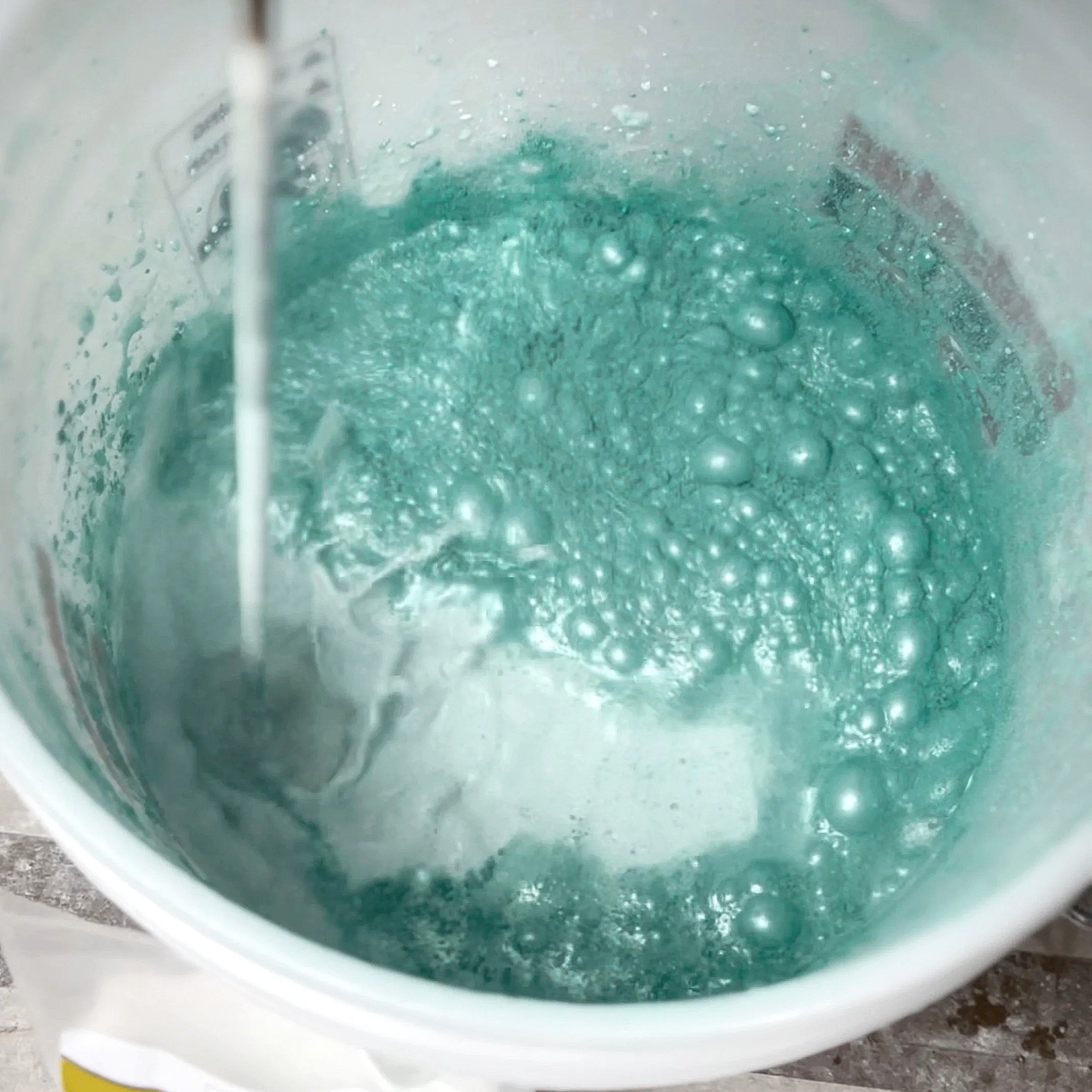
A few practical tips from the tutorial vibe:
Have everything ready before you start mixing
Mix until smooth and milky, then stop—don’t overthink it
Make sure the alum salts dissolve fully before you start painting (they’re doing important behind-the-scenes work)
And yes, basic safety matters: hydrated lime is dusty and irritating—don’t breathe it in, and don’t get it on your skin/eyes.
How to Apply Limewash Paint (X Pattern = The Look)
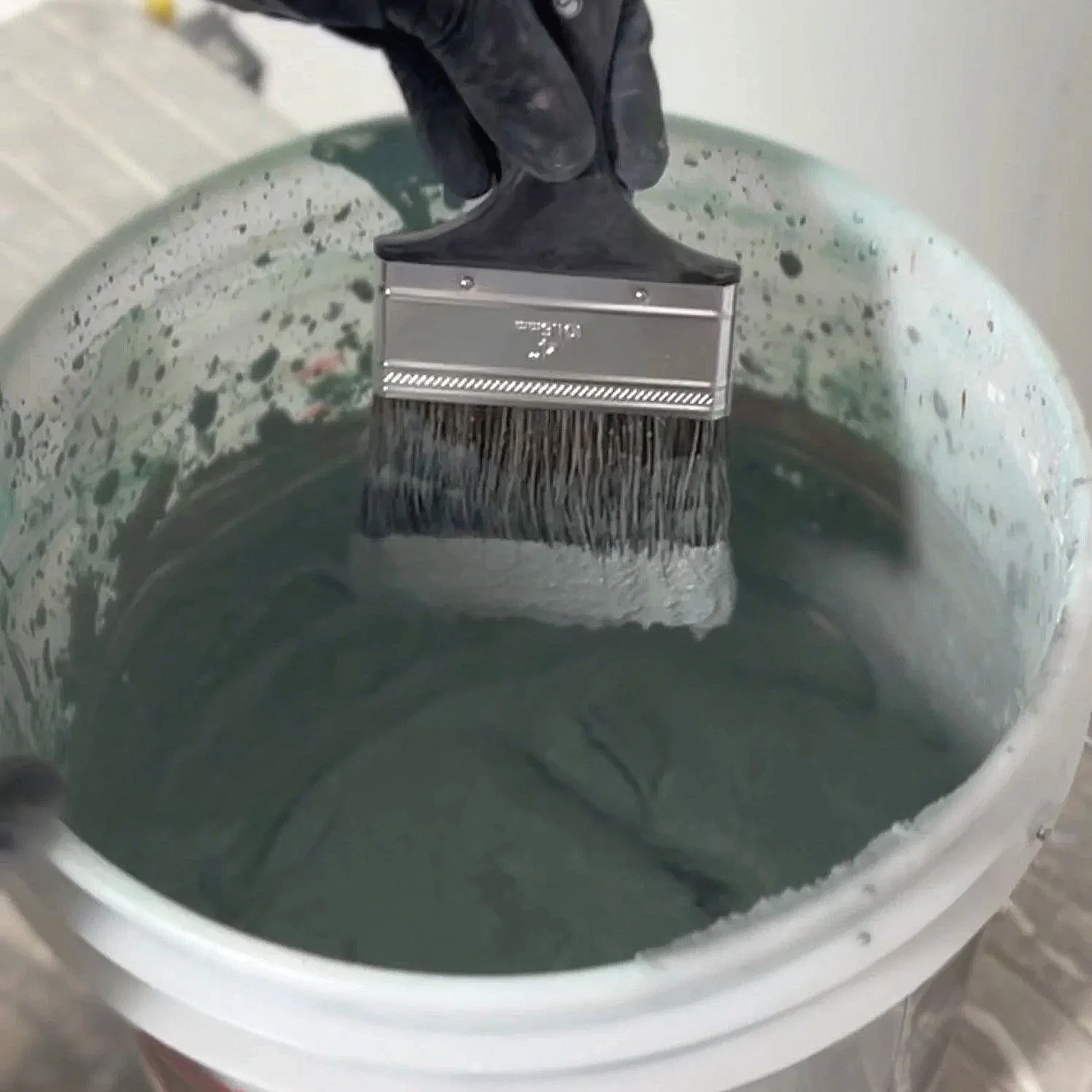
This is the biggest difference between limewash and regular paint.
Use crosshatching “X” strokes
Instead of long, straight strokes like normal painting, apply limewash using small crisscross motions. This technique creates:
texture variation
tonal variation (dark and light patches)
that signature limewash “movement”
If you paint it on like standard wall paint, you’ll lose the effect you’re doing this for in the first place.
First Coat Limewash: Don’t Panic
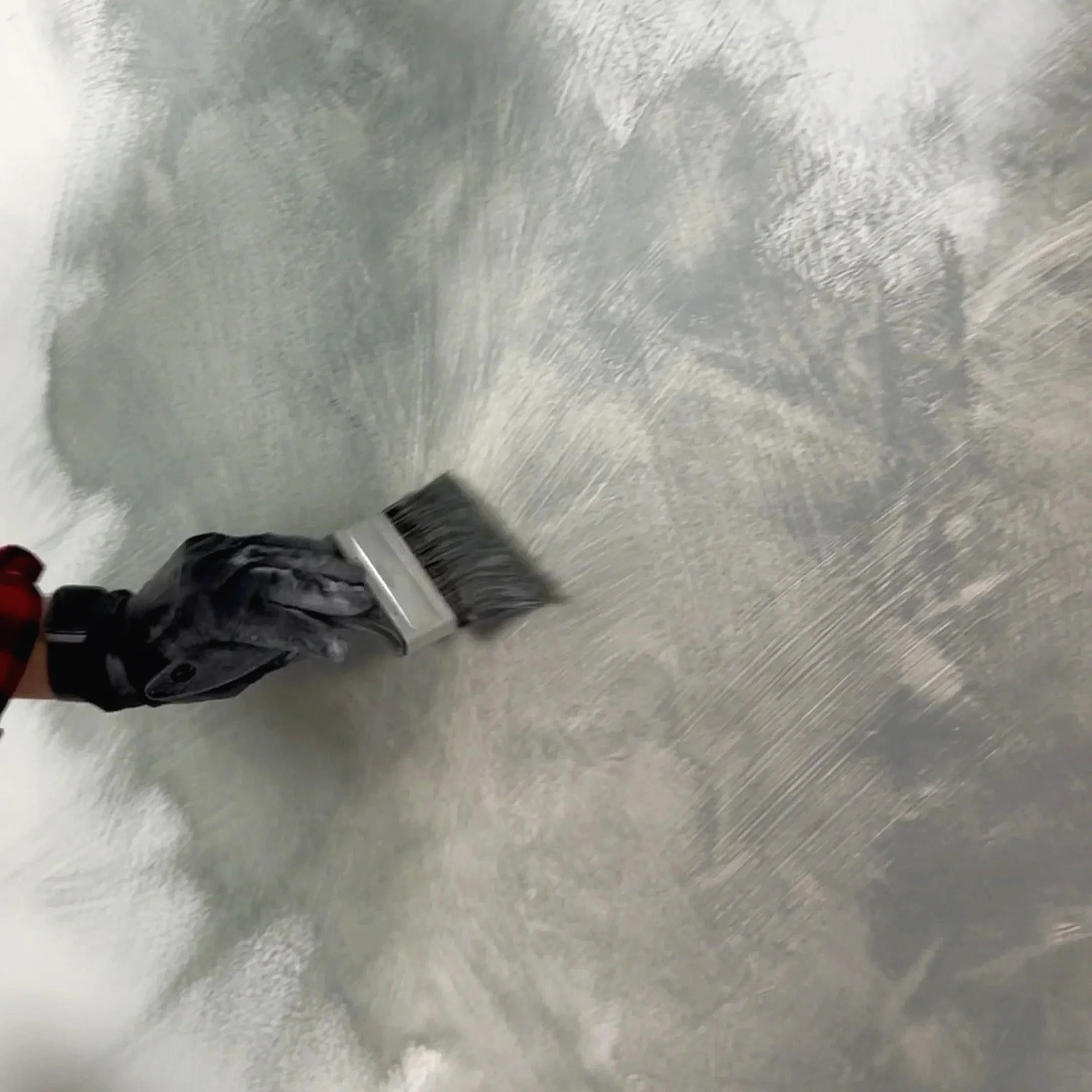
This is the most important mental part of limewashing:
It goes on dark, then dries much lighter.
So the first coat often looks like a mistake while it’s wet. Step back, breathe, and let it dry before judging it.
Also—expect a different feel than paint:
it may look streaky
it may feel watery/thick/grainy
that’s normal
Do You Need Two Coats of Limewash?
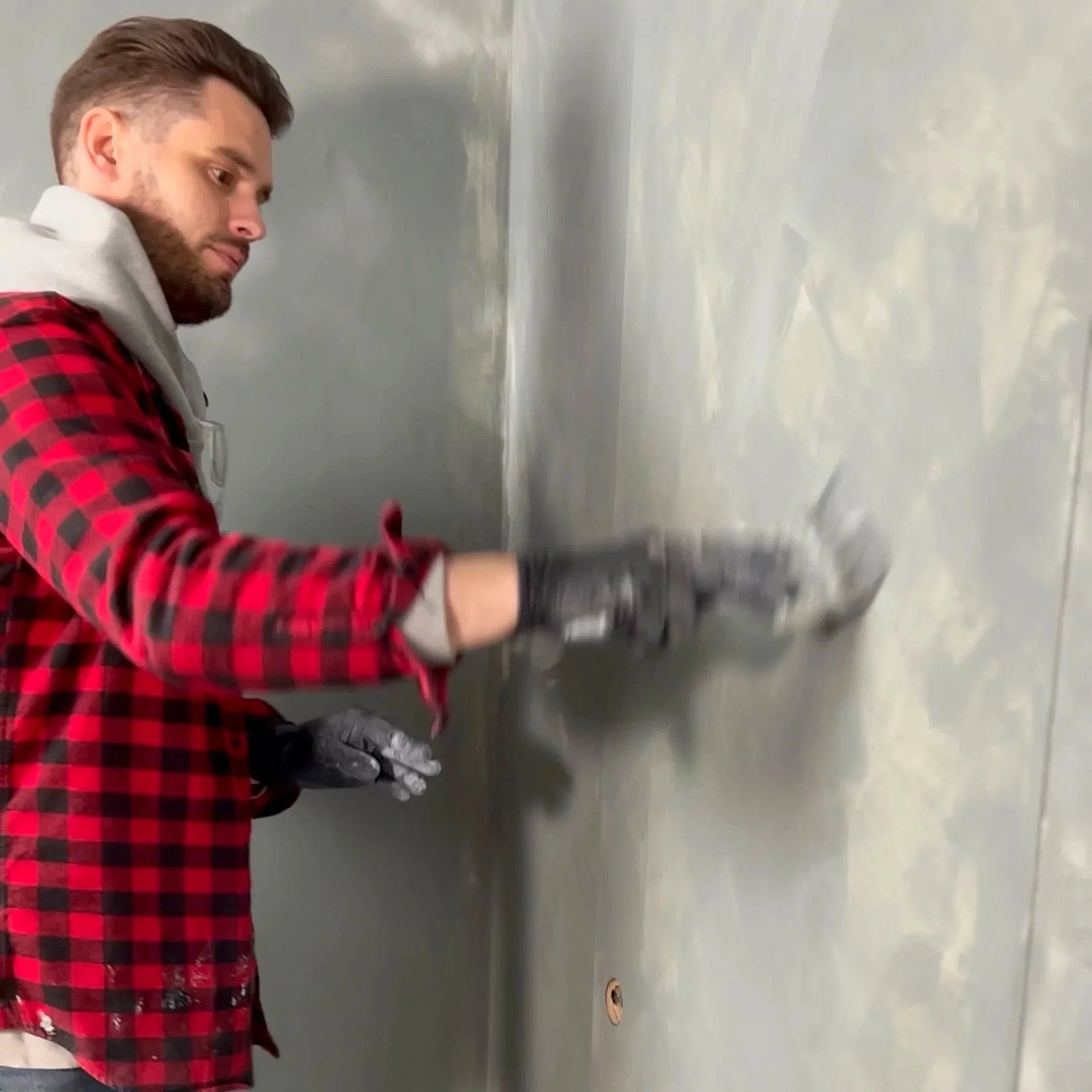
In our application, two coats worked best:
better overall coverage
reduced the “light spot” effect
more finished, consistent look while still keeping texture
That said, limewash is personal. Test a small area, see what you like, and adjust—some people love higher contrast, others want it more subtle.
Final Results: Modern, Textured, Designer Wall Finish (DIY)

Once it dries, limewash gives you that soft, natural, matte finish that looks high-end and intentional—without needing a specialty paint product.
If you’ve been wanting to try the limewash trend, this is a simple way to do it with accessible materials. Hydrated lime + pigment + alum salts, mix it milky, crosshatch it on, and trust the dry-down.